MORE
MOOR


MORE
MOOR
DOUBLE IMPACT:
Climate protection & biodiversity
Peatlands are true climate heroes: they store massive amounts of CO₂ and are home to many specialised plants and animals.
Rewetting these landscapes doesn’t just protect our climate – it also promotes biodiversity. That makes peatlands a particularly powerful nature-based solution in the fight against climate change.
And here’s the best part: intact peatlands do even more!
They help prevent flooding, stabilise the local climate, and improve water quality.
Together with the Stiftung Naturschutz (Nature Conservation Foundation), we directly invest in the rewetting of peatlands in northern Germany (Schleswig-Holstein).
This helps preserve their long-term function as natural carbon sinks and vital habitats for rare species.
OUR MOTTO:
1 carton =
€1 for peatland restoration
For every carton of Green Hygiene products sold, we donate €1 directly to the Stiftung Naturschutz.
This supports local projects that bring peatlands back to life, protect biodiversity,
and reduce CO₂ emissions over the long term.
Instead of relying on abstract carbon credits, we support real, visible climate action on the ground –
together with experienced partners who know how to preserve nature for the future.
Every contribution counts. Every carton too.
DOUBLE IMPACT:
Climate protection & biodiversity
Peatlands are true climate heroes: they store massive amounts of CO₂ and are home to many specialised plants and animals.
Rewetting these landscapes doesn’t just protect our climate – it also promotes biodiversity. That makes peatlands a particularly powerful nature-based solution in the fight against climate change.
And here’s the best part: intact peatlands do even more!
They help prevent flooding, stabilise the local climate, and improve water quality.
Together with the Stiftung Naturschutz (Nature Conservation Foundation), we directly invest in the rewetting of peatlands in northern Germany (Schleswig-Holstein).
This helps preserve their long-term function as natural carbon sinks and vital habitats for rare species.

OUR MOTTO:
1 carton =
€1 for peatland restoration
For every carton of Green Hygiene products sold, we donate €1 directly to the Stiftung Naturschutz.
This supports local projects that bring peatlands back to life, protect biodiversity,
and reduce CO₂ emissions over the long term.
Instead of relying on abstract carbon credits, we support real, visible climate action on the ground –
together with experienced partners who know how to preserve nature for the future.
Every contribution counts. Every carton too.
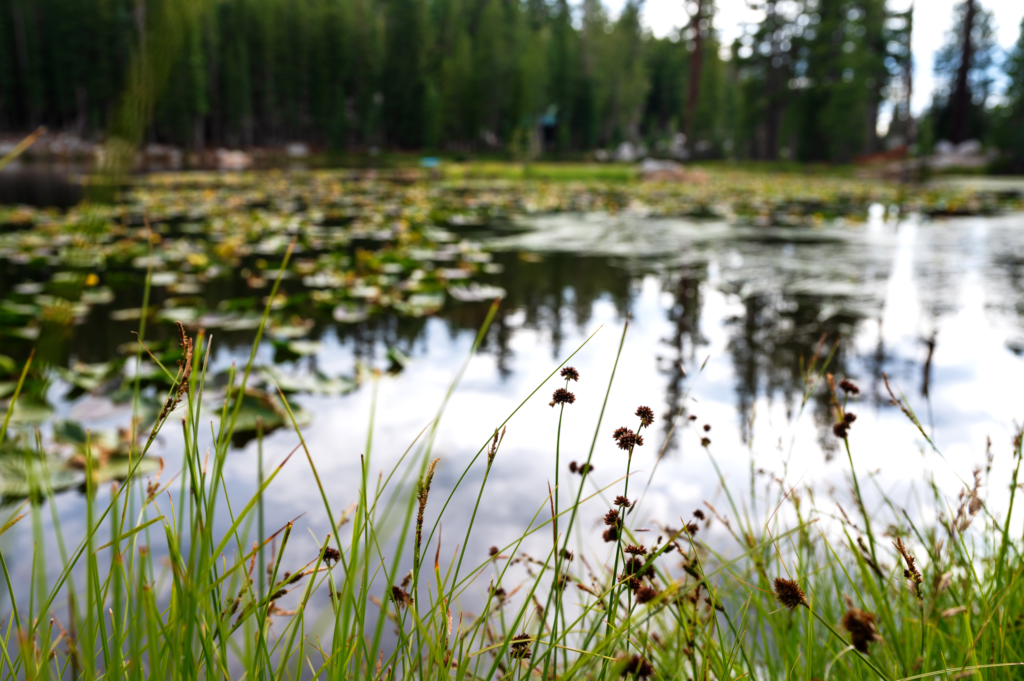
FUN FACTS
Mummies found in peatlands!
So-called “bog bodies” like the Woman of Bourtanger were preserved for centuries. Tannins in the peat make it possible. Creepy? Cool? Both!
Peatlands = Stylish homes
Rare species like cranes, black grouse or the moor frog love it wet. Without healthy peatlands, they’d simply disappear.
Peat soils are living history books
Turf layers can be over 10,000 years old. They hold pollen, plant remains – even clues about ancient climate conditions. Basically: peat remembers what the weather was like 6,000 years ago.
Yes, peat burns!
And yet, it still ends up in flower soil. Although peat is bad for the climate, it’s still sold in garden centres. There are much better alternatives by now!
Nature’s sponge
Peatlands work like a natural sponge: They soak up water during heavy rain and release it slowly during dry spells – perfect for the microclimate!
Peatlands are more colourful than you think
Peat moss, cotton grass, violets… An intact peatland blooms and shines. Not just green and brown, but also white, violet – even pink!
Moor plants = survival pros
Peat soils are acidic and low in nutrients. That’s why only specialists grow here – like the sundew, which grabs its nutrients straight from insects. Yep, a carnivorous plant from Germany!
Restoration works – and you can see it!
Rewetted peatlands start reducing CO₂ emissions immediately – and before long, plants, insects and amphibians start returning. A real win for the climate and biodiversity!